
Understanding Driving Licences
A driving license number Ireland is a crucial legal document that authorizes an individual to operate a motor vehicle on public roads. This document not only signifies that the holder has met certain requirements to drive but also encapsulates the responsibilities associated with road safety. Possessing a driving licence is a matter of legal compliance in many countries, as it ensures that drivers are knowledgeable about road rules and vehicle operation.
There are various types of driving licences tailored to meet different needs and driving conditions. A regular driving licence is typically issued for personal vehicles, allowing individuals to operate standard cars and motorcycles. This licence usually requires passing both a written test to understand traffic laws and a practical driving test to demonstrate driving competence.
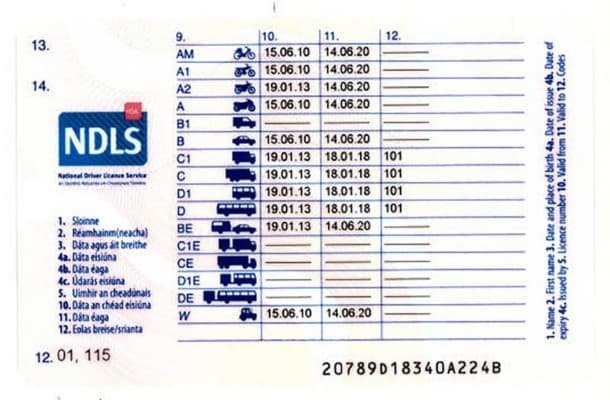
A provisional driving licence is generally a temporary permit granted to new drivers undergoing a learning stage. This type of licence permits individuals to practice their driving skills under specific restrictions, such as not driving at night or only in the presence of a licensed adult. The primary goal of the provisional driving licence is to ensure that new drivers gain the necessary experience and confidence before acquiring a full driving licence.
On the international front, an international driving licence serves as a translation of the national driving licence, enabling holders to drive legally in foreign countries. This licence is often required in conjunction with a home country’s driving licence, especially when traveling abroad, and it simplifies the process of law enforcement in recognizing a driver’s credentials internationally.
In summary, understanding the different types of driving licences is fundamental for anyone seeking to operate a vehicle responsibly. Each type of licence serves a specific purpose, catering to various stages of driving experience and compliance with legal standards. Holding a valid driving licence is not only essential for navigating roadways but also reflects an individual’s commitment to responsible driving practices.
How to Apply for a Driving Licence
Applying for a driving licence is a critical step for prospective drivers, enabling mobility and independence. The application process varies by country; however, most jurisdictions require applicants to meet specific eligibility criteria before proceeding.
Generally, applicants must be of a certain age, commonly at least 16 or 18 years, depending on local regulations. It is important to check your region’s driving laws to confirm the specific age requirement and whether you qualify as a first-time applicant or if you are applying for a provisional licence.
Before initiating the application, gather necessary documents. These usually include proof of identity, such as a passport or national identification card, proof of residency, and sometimes a copy of a social security number. Some regions may also request documents that validate successful completion of a driver’s education program, especially for first-time drivers.
The application can typically be completed through various methods, including online submissions, visits to designated motor vehicle departments, or local licensing offices. Online applications often streamline the process, allowing for easier document uploads and payment methods. However, for those who prefer in-person interactions, many offices offer comprehensive assistance to guide applicants through the process.
When applying for a provisional licence, restrictions may apply, such as limitations on the number of passengers or driving during nighttime hours. First-time drivers may be required to pass both a written test and a practical driving exam to demonstrate their understanding of road rules and driving skills. It is advisable to prepare thoroughly for these assessments, utilizing practice tests and engaging in supervised driving experiences.
In conclusion, thorough preparation and understanding of eligibility criteria, required documentation, and application methods are essential for successfully obtaining a driving licence. Following the outlined steps will contribute to a smoother application process, whether you are applying for a provisional licence or pursuing your full driving privileges for the first time.
Replacing a Lost or Stolen Driving Licence
Experiencing the loss or theft of your driving licence can be distressing, but understanding the replacement process can help alleviate some of that anxiety. The first step you should take immediately after discovering that your driving licence is missing is to report the incident to the local authorities, especially if you believe your licence has been stolen. This will not only assist in preventing potential identity theft but also provide you with a police report, which may be required when you apply for a replacement.
Once the incident is reported, you can begin the application process for a replacement driving licence. The specific guidelines may vary depending on your location, but generally, you will need to gather several key documents. These typically include proof of identity, such as a passport or national ID, as well as any documentation related to the loss, like the police report. Additionally, you may need to provide proof of residency and complete a specific application form for the replacement licence.
It’s important to check the specific requirements set forth by your local Department of Motor Vehicles (DMV) or equivalent authority, as these may differ significantly by region. In many cases, you can apply online, which can expedite the process. Alternatively, you may need to visit a local office in person. Be prepared to pay a replacement fee, which can vary widely based on your state or country. After submitting your application and payment, you will receive a new driving licence, allowing you to resume driving legally without further delay. Understanding these steps can significantly streamline the process and help mitigate the inconvenience caused by a lost or stolen driving licence.
Renewing Your Driving Licence
Renewing your driving licence is a crucial process that enables you to continue driving legally. Timelines for renewal can vary across jurisdictions, but it is generally advisable to begin the renewal process at least a few months before the expiration date of your current licence. Most regions provide a grace period during which you may continue to drive with an expired licence, but this period should not be relied upon as it differs widely depending on local laws.
To renew your driving licence, you typically need to gather a few essential documents. These often include proof of identity, such as a passport or a government-issued identification card, proof of residency, and sometimes a recent photograph. Some jurisdictions may also request additional documentation, such as a completed application form and a vision test report. It’s important to check specific requirements related to your location, as they can vary significantly.
The application for renewal can often be completed online, by mail, or in person at designated service outlets. Online renewal processes may offer greater convenience; however, not all licences can be renewed this way. In-person renewals may require an appointment, so it is important to plan. During the renewal procedure, be prepared to pay the associated fees, which usually vary depending on the duration of the new licence and your location.
Lastly, it is imperative to be aware of your legal obligations when it comes to renewing your driving licence. Failure to renew on time may result in penalties, including fines or additional testing requirements. Therefore, staying informed and proactive about your renewal is in your best interest.
Driving Tests: What You Need to Know
Driving tests are an essential component of obtaining a driving licence, as they evaluate an individual’s competence to operate a vehicle safely. There are primarily two types of tests involved: the theory test and the practical driving test. The theory test assesses a candidate’s knowledge of road rules, signage, and safe driving practices through multiple-choice questions, while the practical driving test evaluates the candidate’s abilities behind the wheel in real-world conditions.
To schedule a driving test, applicants typically must complete an application that includes providing personal information, proof of identity, and sometimes payment of a fee. Depending on the country or region, applicants may be able to book their tests online or in person at designated testing centres. It is advisable to check local regulations for specific requirements and procedures, as they can vary by location.
Preparation for the driving tests is crucial to success. For the theory test, candidates can study official driver handbooks, take practice quizzes available online, and attend preparatory classes if offered. Developing a thorough understanding of road signs, traffic laws, and safety protocols is paramount. For the practical test, candidates should engage in comprehensive driving practice, preferably with a qualified instructor who can provide feedback on skills and help build confidence.
Regarding wait times for driving tests, they can fluctuate significantly based on location and demand. In urban areas, longer wait times may be common due to higher volumes of applications. It is beneficial for candidates to schedule their tests well in advance and remain flexible with their preferred dates to ensure timely progression through the driving licence acquisition process.
Applying for a Driving Licence Online
Applying for a driving licence online has become a common and efficient method in various countries, streamlining the application process for many individuals. In the United Kingdom, the online application can be completed through the official GOV. UK website. Prospective drivers need to be at least 15 years and 9 months old, possess a valid National Insurance number, and provide an identity document, such as a passport.
The application entails filling out a digital form where personal information, including name, address, and date of birth, is required. It is important to ensure that all details are accurate to avoid any delays in processing. After the application is submitted, applicants must pay the requisite fee, which can typically be completed through online banking methods. Once the application is processed, candidates receive a provisional licence that allows them to start learning to drive.
In Ireland, the process is similarly streamlined. Individuals can apply online for a learner driver permit through the National Driver Licence Service (NDLS) website. Applicants are required to create an account, complete the online form, and upload necessary documentation, including proof of identity and residence. Furthermore, the online system allows users to track the status of their application, adding a layer of convenience.
To enhance the application experience, it is recommended to have all supporting documents readily available before starting the process. Furthermore, during peak application periods—such as summer months—wait times may increase, so applying well in advance is advisable. Familiarizing oneself with the specific requirements in one’s country or region can significantly aid in a successful online application for a driving licence.
Documents Needed for Various Driving Licence Processes
When engaging in any process related to driving licences, it is crucial to gather the appropriate documentation beforehand. The requirements can vary depending on whether you are applying for a new licence, renewing an existing one, or seeking a replacement. In Ireland, the National Driver Licence Service (NDLS) oversees these processes, and it is essential to understand what documents are necessary.
For a provisional driving licence application, applicants need to present a number of specific documents. These generally include, but are not limited to, proof of identity such as a passport or birth certificate, a Public Services Card (if applicable), and two recent passport-sized photographs. Additionally, one must provide proof of address, which can be a utility bill or bank statement not older than six months.
When it comes to renewing a driving licence, the process is slightly more straightforward but still requires key documents. Applicants should provide their current driving licence, proof of identity, and proof of address. It is vital that any documents submitted are either the originals or certified copies, as the NDLS maintains stringent regulations regarding documentation.
For those seeking a replacement driving licence due to loss or theft, the necessary documentation typically includes a completed application form, proof of identity, and in some cases, a police report if applicable. Like other processes, proof of address is also required to validate the application.
In conclusion, understanding the required documents for each of these processes can significantly streamline the application, renewal, or replacement of driving licences. Ensure that all documents are correct and up-to-date to avoid any delays in the process.
Common Issues and FAQs about Driving Licences
Many individuals encounter various issues when dealing with driving licences, leading to a multitude of frequently asked questions. One prominent concern is the waiting time associated with new applications or renewals. Depending on the region and the time of year, waiting times can vary significantly. It is advisable to check the specific guidelines set by local driving authorities to gain an accurate understanding of expected processing durations.
Another common issue is related to expired driving licences. Individuals often inquire about the repercussions of driving with an expired licence. It is important to note that driving with an expired licence can lead to penalties, including fines and potential points on the driver’s record. Therefore, it is essential to renew a driving licence before it expires, and most regions offer grace periods for renewal, enabling individuals to avoid penalties.
Replacing lost drivers’ licences is another frequently addressed topic. If a driving licence is lost, it is crucial to report it as soon as possible to prevent identity theft or fraudulent use. The process for replacing a lost licence typically involves submitting a replacement application to the relevant authority and providing identification. Additionally, some jurisdictions may allow for online applications, streamlining the replacement process.
Aside from these common issues, many people have questions regarding the timelines for renewing licences post-expiration. Generally, there is a deadline for renewal after expiry; beyond this period, the process may involve retaking driving tests. It is advisable to consult the local Department of Motor Vehicles or equivalent body for specific rules that apply to your area. These common inquiries reflect a need for clarity on the processes surrounding driving licences and serve as a foundation for individuals navigating these essential requirements.
Conclusion and Best Practices for Managing Your Driving Licence
In conclusion, managing your driving licence effectively is crucial for compliance with legal requirements and ensuring road safety. One of the fundamental best practices involves keeping your driving licence and associated documents updated. This includes promptly renewing your licence before it expires, ensuring that your address and personal details are correct, and maintaining any necessary endorsements or qualifications relevant to your driving privileges.
It is also essential to familiarize yourself with your rights and responsibilities as a licence holder. Understanding the specific laws in your jurisdiction can help in avoiding penalties and fines. For instance, being aware of the conditions under which your licence may be suspended or revoked empowers you to make informed decisions while driving. Regularly reviewing these regulations will keep you informed about any changes that might impact the validity of your driving licence.
Additionally, should any issues arise, such as the loss or theft of your licence, knowing the correct procedures for reporting the incident and obtaining a replacement is vital. Many regions allow for online applications, which can expedite the process significantly. Keeping a record of your driving history may also be beneficial, particularly if disputes or infringements occur, as it provides a clear account of your driving behaviour.
By adhering to these best practices and staying proactive about your driving licence management, you can minimize potential complications while ensuring that your driving experience remains safe and legal. Being informed and prepared is the first step to responsible driving and maintaining your freedom on the road.