Introduction to Buy UK Drivers License
To buy UK drivers license serves as an essential legal document that permits individuals to operate motor vehicles on roads in the United Kingdom. The importance of this credential extends beyond mere access; it signifies the holder’s competency and adherence to road safety regulations. For both residents and visitors, obtaining a UK driver’s license can significantly ease mobility, enabling smooth navigation of urban and rural landscapes.
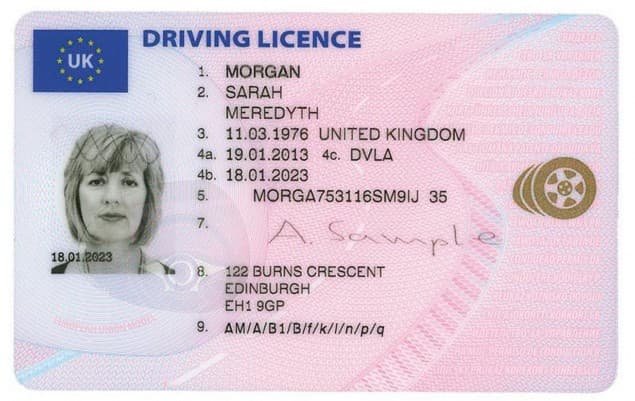
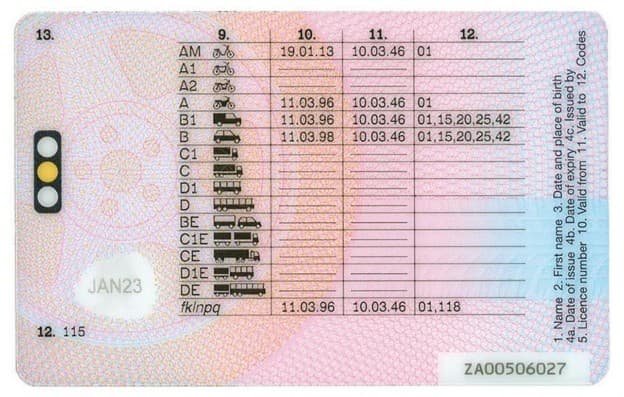
There are two primary types of UK driver’s licenses: provisional and full. A provisional license is often the initial step for individuals wishing to learn how to drive. This license allows new drivers to practice with an experienced driver or a qualified instructor, which is vital for developing the necessary skills and confidence before taking the driving test.
Once individuals have successfully passed the practical and theoretical components of the driving examination, they are awarded a full UK driver’s license. This license allows them to drive independently without restrictions. Importantly, the UK driver’s license is also recognized within various countries, providing access to car rental services and making driving abroad more feasible for UK citizens.
Moreover, the UK driver’s license has implications beyond driving. It is often utilized as a form of identification for various purposes, including age verification, opening bank accounts, or securing travel arrangements. Hence, possessing a valid UK driver’s license not only facilitates driving but also serves as a cornerstone of personal identification in modern life.
Legal Requirements for Obtaining a UK Driver’s License
Acquiring a UK driver’s license involves adhering to specific legal requirements set forth by the Driver and Vehicle Licensing Agency (DVLA). These regulations ensure that all drivers meet essential standards for safety and competence. Firstly, the applicant must be at least 17 years old to drive a car in the UK. For those wishing to drive a motorcycle, the minimum age is 16. However, it is crucial to note that learner drivers must hold a provisional driver’s license before they can begin practical driving lessons.
Residency is another important consideration. Individuals applying to get drivers license must be residents of Great Britain, which includes England, Scotland, and Wales. This means that foreign nationals may face different criteria depending on their existing driving license address. For instance, if a foreign national possesses a valid driver’s license from their home country, they may be able to drive in the UK for a limited time, typically up to 12 months. After that period, they may be required to obtain a UK driver’s license.
In terms of documentation, applicants must provide proof of identity, which may include a passport or biometric residence permit. Additionally, proof of residency must be submitted, such as utility bills or bank statements displaying the current address. If the applicant is a foreign national, documentation confirming their immigration status may also be necessary. Furthermore, individuals applying for a full UK driver’s license must pass the necessary tests, including a theory test and a practical driving test. These tests assess an applicant’s understanding of road rules and their ability to operate a vehicle safely.
Process of Applying for a UK Driver’s License
Applying for a UK driver’s license involves several systematic steps that applicants must follow to ensure a smooth application process. The first step is to obtain driving licence contact number and gather the necessary documents. Applicants are required to provide proof of identity, which can include a passport or national identity card. Additionally, proof of residency, such as a utility bill or bank statement, is essential. If the applicant is not a British citizen, they may need to present a visa or residence permit that outlines their right to live in the UK.

Once the necessary documents are collected, the next step is to complete the application form. This form, known as the D1 form, can be obtained from the Driver and Vehicle Licensing Agency (DVLA) or can be downloaded directly from their website. The form requires personal details, including name, address, and date of birth, as well as information regarding medical conditions if applicable. It is imperative to ensure that all details are accurate and complete to avoid delays in processing the application.
After completing the application form, applicants must choose between submitting their application online or via postal service. The online application process is generally faster and can be completed directly on the DVLA website. To apply online, applicants will need to create an account and input the required information,n along with uploading any necessary documents. In contrast, mailing the application involves sending the completed D1 form and supporting documents directly to the DVLA’s postal address.
Regardless of the chosen method, it is essential to pay the applicable fee for the driver’s license application. Once the application has been submitted, the DVLA will process it, and the applicant can track the status online. Following approval, a provisional driver’s license will be issued, allowing the applicant to start learning to drive.
Costs Involved in Obtaining a UK Driver’s License
Acquiring a UK driver’s license involves several costs that potential drivers should be aware of before embarking on the journey to licensure. The first notable expense is the application fee for the provisional driving license, which currently stands at £34 when applied for online or £43 if done via a paper application. This provisional license is essential for individuals intending to learn to drive legally on public roads.
After obtaining the provisional license, the next significant expense arises from undertaking driving lessons. The average cost for a driving lesson in the UK is approximately £24 to £30 per hour. However, this varies by region and instructor. Potential drivers should estimate how many lessons they might need based on personal learning pace; many learners typically require anywhere from 20 to 50 lessons before feeling confident to take the driving test.
Once the necessary practice has been completed, the individual must then book and pay for the driving tests. The cost for the practical driving test is £62 during weekdays and £75 during weekends or bank holidays. Additionally, the theory test, which must be passed before taking the practical test, costs £23. The fees can accumulate significantly, and candidates should budget accordingly.
Furthermore, if individuals choose to enroll in intensive driving courses or hire professional instructors for one-on-one lessons, these options come with varying costs, often depending on the instructor’s reputation and experience. Lastly, costs may also include expenses for required documentation, such as a passport photo for the application or any additional enrollment fees. In total, potential drivers should be prepared for a financial commitment that could range from a few hundred to over a thousand pounds, depending on their learning needs and preferences.
Driving Tests: Theory and Practical Exams
Obtaining a UK driver’s license necessitates passing two crucial examinations: the theory test and the practical driving test. Understanding the structure and requirements of these tests is essential for prospective drivers aiming to achieve their license successfully.
The theory test comprises multiple-choice questions and a hazard perception section, designed to assess a candidate’s knowledge of road rules, regulations, and safe driving practices. Candidates must prepare by studying the Highway Code, various driving manuals, and relevant online resources to gain a comprehensive understanding of essential traffic laws. The multiple-choice portion typically includes 50 questions, with a passing score of 43 or above required. The hazard perception section involves watching video clips to identify potential hazards, with drivers needing to score at least 44 out of 75 to pass this part.
The practical driving test assesses an individual’s driving abilities in real-world scenarios, measuring skills such as vehicle control, observation, and adherence to traffic laws. Candidates are evaluated on their execution of various maneuvers, including reversing, parking, and emergency stops. A critical component of the practical test includes independent driving, where candidates navigate using road signs or a satnav for up to 20 minutes, showcasing their ability to make sensible decisions while driving.
Preparation for both tests is imperative to increase the likelihood of success. It is advisable to undertake practice tests available online, participate in driving lessons with a qualified instructor, and familiarize oneself with the area in which the practical test will occur. Overall, being well-prepared for both the theory and practical aspects of obtaining a UK driver’s license plays a pivotal role in ensuring driving competence.
Common Mistakes to Avoid When Applying
Applying to get drivers licence can be a complex process, and applicants need to understand the common pitfalls that might delay or impede their application. One major area where applicants falter is documentation. Ensuring that all necessary documents are up-to-date and accurately submitted is crucial. This includes not only a valid form of identification but also proof of residency and any required medical information. Incomplete or incorrect document submissions can lead to significant delays in processing applications.
Another prevalent mistake is inadequate preparation for both the theoretical and practical driving tests. The UK driving theory test assesses applicants’ understanding of road signs, rules, and safety procedures; thus, thorough study and familiarity with the materials are vital. Many candidates fail to allocate sufficient time for preparation, often leading to failure and subsequent rescheduling. Utilizing available resources, such as online practice tests and study guides, can greatly enhance one’s chances of passing the theory test on the first attempt.
In addition to theoretical preparation, potential drivers often overlook the importance of practical driving tests. Applicants may underprepare for their driving assessments, leading to performance issues that could have been mitigated with practice. It is advisable to engage with a qualified driving instructor who can provide not only expertise and guidance but also mock tests that simulate the actual evaluation process.
Lastly, interview performance should not be underestimated. Whether it is a face-to-face interview or an online verification process, failure to present oneself professionally and confidently can negatively impact the perception of the applicant. Hence, practicing common interview questions and being well-prepared to discuss one’s driving history and qualifications is essential to avoid any setbacks. By understanding and addressing these common mistakes, applicants can streamline their application process and improve their likelihood of success.
Renewing and Updating Your UK Driver’s License
Renewing or updating a UK driver’s license is a necessary process that ensures all drivers maintain valid documentation throughout their driving experience. Generally, drivers must renew their licenses every 10 years, but it is essential to be aware of specific situations that may require more immediate action. For instance, if you change your name or personal details, you are legally obliged to update your information on your driving license promptly.
To renew your UK driver’s license, you can select from several convenient methods. Most commonly, applications can be made online through the official government website, where you will need to provide your current license details, and a digital passport-style photograph may be required for the replacement license. Alternatively, you can renew your license by post using a D1 application form available at local post offices or the DVLA. Should you opt for this method, ensure that you send your completed application and any required documents to the DVLA’s specified address.
In terms of lost or stolen licenses, it is crucial to report the loss promptly to reduce any risk of identity theft. If your driver’s license is lost or stolen, you can apply for a replacement license online or by completing a D1 form, mirroring the approach used for renewals. In both situations, fees apply, and it is advisable to retain a copy of any payment confirmation as evidence of the transaction.
Lastly, if you realise that your license has expired, it is vital to refrain from driving until you have completed the renewal process. Driving on an expired license could lead to penalties, including fines and potential points on your driving record. Overall, staying proactive in managing your UK driver’s license contributes to safe and compliant driving practices.
International Driver’s Licenses and Conversions
For individuals looking to drive in the United Kingdom, understanding international driver’s licenses and the process of license conversion is crucial. International driver’s licenses (IDL) serve as a translation of a person’s existing driver’s license and are generally valid for a specific period, often up to 12 months, depending on the country of origin. The UK recognises IDLs issued in many countries, allowing foreign drivers to operate vehicles legally during their visit. However, the rules differ between countries, and it is essential to verify whether an IDL is accepted in the UK.
Foreign license holders from countries with which the UK has reciprocal agreements can convert their international license to a UK driver’s license. The countries typically include those within the European Union (EU), the European Economic Area (EEA), and a select few others, such as Australia, Canada, Japan, and certain Commonwealth nations. Eligibility to convert depends on whether the license is still valid and has been held for a specific period.
The conversion process requires applicants to provide proof of their identity, residency, and their existing driving license. While many licenses can be converted directly, some may necessitate passing a driving test in the UK. Additionally, individuals with non-reciprocal country licenses may need to apply for a provisional UK license and pass the full driving tests to obtain a UK driving license.
Drivers need to be aware of the rules that govern their license type and any specific requirements for driving in the UK. Not adhering to these regulations could result in penalties or the inability to drive legally, highlighting the importance of understanding the intricacies of international driver’s licenses and their conversion to a UK license.
Conclusion: The Importance of a Valid Driver’s License in the UK
Obtaining a valid driver’s license in the UK is not merely a legal requirement; it serves as a crucial document for individuals who wish to engage in driving activities across the country. A valid UK driver’s license confirms that the individual has met specific requirements mandated by the law, including passing assessments on road safety and driving skills. This validation contributes significantly to road safety and ensures that drivers are equipped with the knowledge necessary to navigate roads responsibly.
Throughout this guide, we have explored the various aspects associated with obtaining a UK driver’s license. From understanding the different types of licenses available to recognizing the steps needed for application and renewal processes, it is evident that being informed is key to successful navigation of this journey. By having a valid driver’s license, individuals are not only fulfilling a legal obligation but are also paving the way towards greater mobility and independence.
Additionally, having a valid license impacts various facets of modern life, including employment opportunities and accessibility to essential services. Many employers require a driver’s license as a prerequisite for certain roles, especially those that involve travel or the operation of vehicles. Furthermore, a valid license eliminates the risks and penalties associated with driving without one, including heavy fines and legal repercussions, which can have far-reaching implications on an individual’s personal and professional life.
In conclusion, securing a valid driver’s license is imperative for anyone wishing to drive legally in the UK. It not only ensures compliance with the law but also enhances everyday life and facilitates mobility. Investing time and effort into understanding and following the required processes will lead to a safer, more responsible driving experience for all road users.